What Happens During Factory Acceptance Testing (FAT)Stages 3 - 4
What Happens During Factory Acceptance Testing (FAT)Stages 3 - 4
Stage 3: Dry Functional Testing
Air and Control System Checks
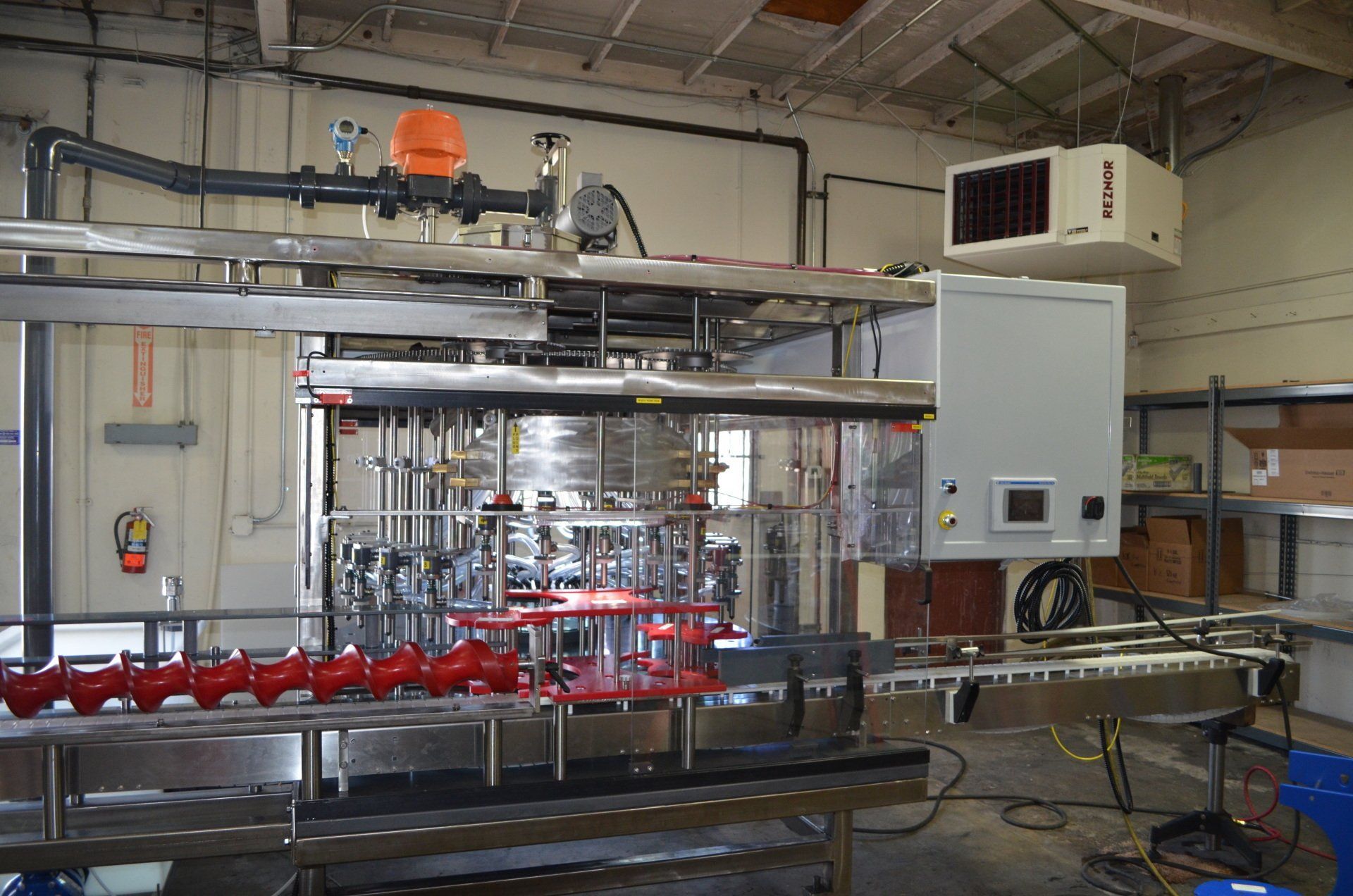
With the mechanicals validated and lubricated, Laub\Hunt conducts dry functional tests (i.e., no product yet) to confirm pneumatic and control behavior. This includes:
● Checking the air filter by running air through water to verify proper exhaust of air and any entrained moisture.
● Wiring and testing up‑and‑down solenoids, confirming the correct hoses and motions, and ensuring there are no wiring or plumbing errors.
● Setting pressure regulators for plungers and other actuators.
● Verifying float switch travel—typically at least 4 inches between on and off positions—and ensuring switches reliably trigger overflow pumps when specified.
These steps represent best practices where PLC inputs/outputs, actuators, and interlocks are checked before any wet testing. Laub\Hunt’s checklist embeds these tasks in a structured, sign‑off format.
Valve and Hardware Verification
Still in the dry phase, technicians verify:
● Presence and condition of all valve components: blocks, washers, O‑rings, tips, and screws, with no missing parts and all fasteners snug.
● Adjustability of valves across the full outage range: clearing the bottle top, reaching the lowest fill level, and beyond.
Other FAT protocols require similar checks to ensure valves and heads are complete and adjustable before any performance measurements are made. Laub\Hunt’s detailed valve checklist minimizes the risk of assembly omissions that could create leaks or inaccurate fills.
Stage 4: Wet Test and Leak‑Tightness
Water‑based Wet Test
The core of FAT is the wet test, where the filler is run with water to verify leak‑tightness and system behavior under realistic hydraulic conditions. Laub\Hunt technicians:
● Check for leaks at valves, hose gaskets, manifolds, and piping to any vacuum pumps.
● Inspect rotating seals by deliberately stressing them side‑to‑side to see if leakage occurs.
● Verify that O‑rings at switches are lubricated and not leaking, and that Permatex or similar thread sealant is applied on specified switch threads.
Laub\Hunt prioritizes leak tests, emphasizing the need to verify seals, connections, and wetted components before shipping. Laub\Hunt’s process ensures the entire liquid path is sealed and stable.
Functional checks with water and bottles
Simultaneously, the team verifies system functions under wet conditions:
● Confirming float switches control overflow pumps correctly.
● Running bottles through the filler to test stars and guides in real operation.
● Checking that valves reach and maintain target levels at different settings and that the full range of fill‑level adjustment is available.
● Ensuring the cam for “puffing” or venting seals properly on the upper tip O‑ring before being withdrawn from the valve.
Water trials validate filling accuracy, container handling, and control logic before committing to performance metrics. Laub\Hunt integrates these into a single wet test phase, tightly linked to its checklist items.
Contact us for more information. Check out stages 1-2 and stages 5-7. (Coming Soon)