What to Expect When Your New Filling Machine Arrives – Part 1

November 6, 2026

What to Expect When Your New Filling Machine Arrives – Part 1


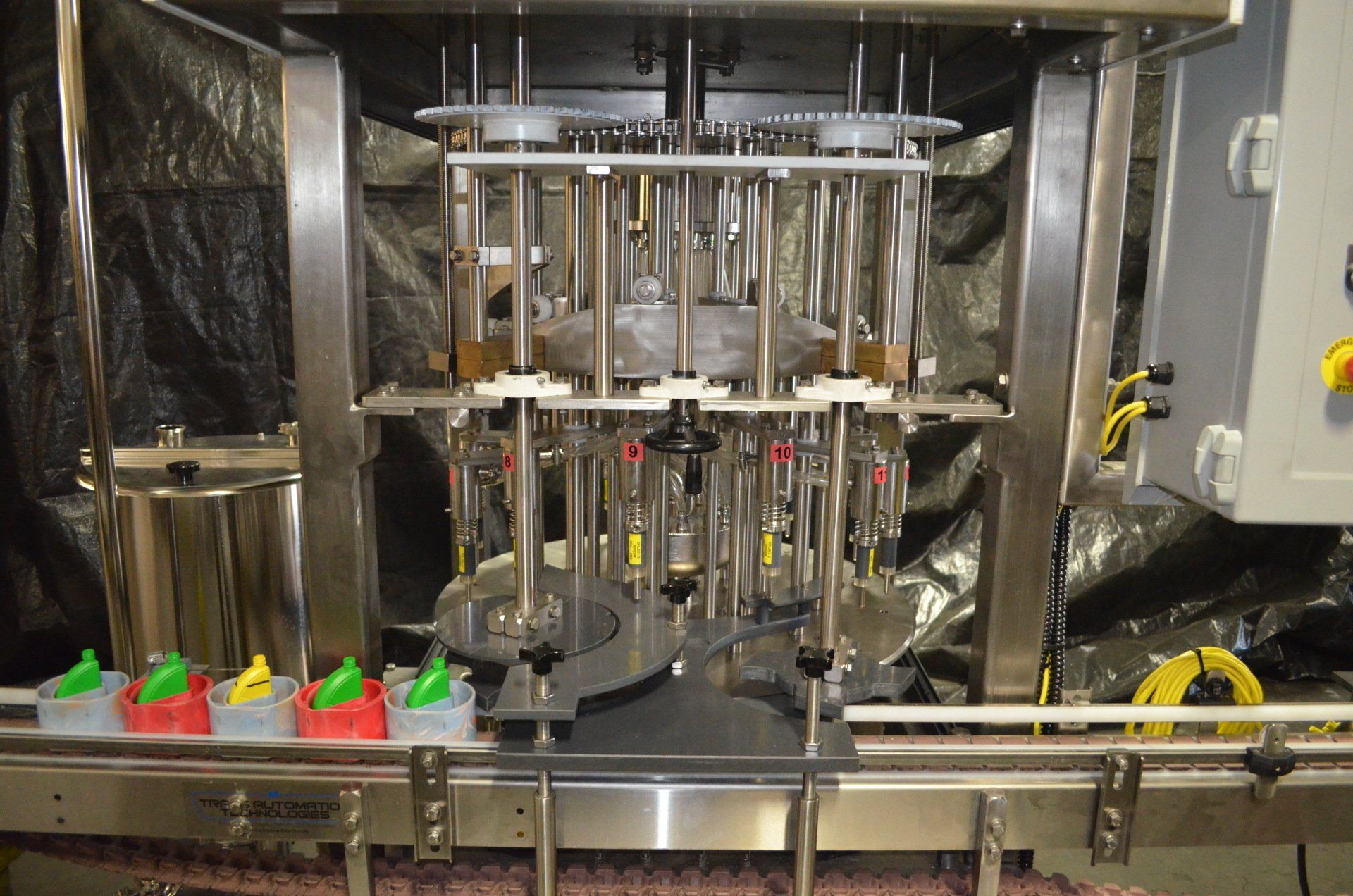
When Laub\Hunt Packaging Systems ships a new filler, customers can expect a structured, turnkey experience: pre‑validated equipment, coordinated delivery and installation, guided commissioning, and ongoing training and support modeled on best practices from the liquid filling industry.


Introduction

Installing a new filling machine is a major milestone for any plant—whether you are upgrading an aging line, adding capacity, or entering a new market segment. With Laub\Hunt, that moment is the culmination of a process that begins long before the truck arrives at your dock.

Since 1950, Laub\Hunt has designed and manufactured precision liquid fillers used across bleach, pool and spa, food and beverage, industrial chemicals, household products, personal care, and automotive fluids. Our turnkey capability—from bottle unscramblers through case packers—means we know exactly what it takes to get a new filler from crate to full production with minimal disruption. This is a 3-part blog series. 

Before the Truck Arrives: How We Prepare Your Machine

Factory build, test, and integration

Before shipment, each Laub\Hunt filler is built to order and run tested with water and your container samples as needed to confirm mechanical alignment, fill performance, and smooth bottle handling. As a turnkey integrator, we routinely link fillers with cappers, labelers, and case packers, and we do full function trial runs at our facility before any on‑site installation.

These factory trials simulate your real‑world production conditions—container types, line speeds, and typical changeovers—so we can tune starwheels, guides, and controls before the equipment ever reaches your plant. This approach mirrors the industry best practices for factory acceptance testing (FAT), before installing complete lines to reduce commissioning time in the field.

Documentation and Training Assets

Along with the physical machine, Laub\Hunt prepares installation, operation, and maintenance documentation specific to your model and configuration. Customers receive detailed manuals, recommended spare parts lists, lubrication charts, and training videos that walk operators and mechanics through routine tasks.

Laub\Hunt views training content as a core part of a successful installation, not an afterthought. It provides clear operating procedures and visual aids that help your team ramp up quickly and safely.


Delivery Day: What Shows Up at Your Dock

How your Laub\Hunt filler is packaged

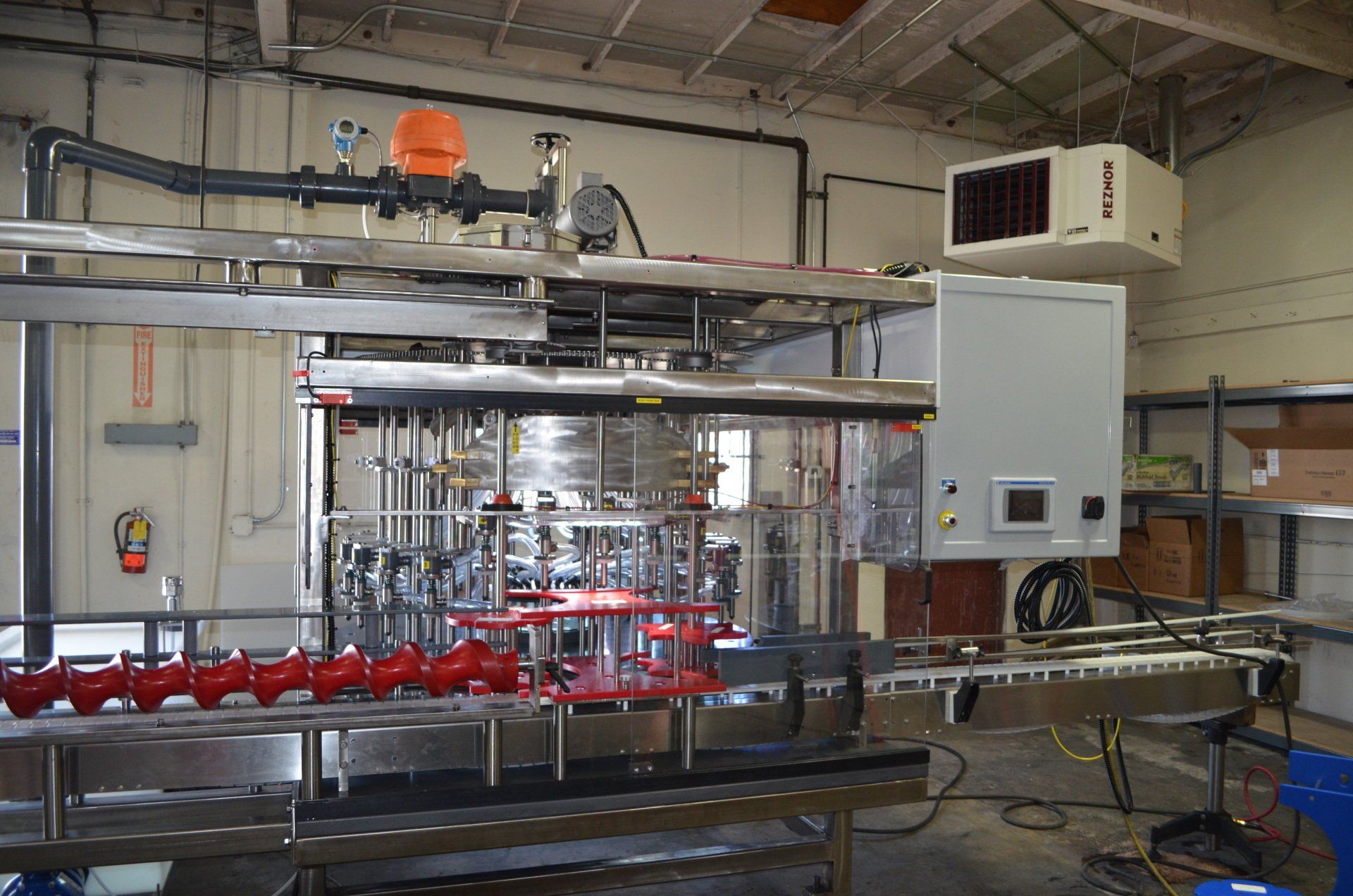
On delivery day, you will receive a skid‑mounted filler—inline or rotary depending on your order—and any associated conveyor sections, electrical panels, and change parts, all packed for ground transport. Skids are designed to support the equipment’s mass points and protect critical surfaces and alignment features.

Each shipment is clearly labeled by sub‑assembly (filler frame, bowl, conveyors, electrical cabinet, guarding, change parts) with a packing list that matches your purchase order. For full turnkey lines, separate shipments may also include unscramblers, cappers, labelers, case packers, and palletizing elements engineered to connect seamlessly to the filler.

Initial inspection on arrival

When the equipment arrives, you and your team should:

●    Inspect skids and crates for visible shipping damage before signing the bill of lading.

●    Cross‑check the packing list against what is on the truck (major modules and change parts).

●    Store electrical panels and sensitive components in a dry, protected area until installation.

Laub\Hunt recommends immediate inspection and documentation of any transit issues to streamline resolution.


Site Preparation: What Needs to Be Ready

Power, product, and utilities

Before installation begins, Laub\Hunt will have communicated the electrical, air, and utility requirements for your specific filler—voltage, amperage, compressed air quality and pressure, and, where applicable, product temperature and return piping. Ensuring those services are in place and tested accelerates commissioning and avoids costly delays.

Laub\Hunt emphasizes:

●    A level, load‑bearing floor for accurate machine leveling.

●    Properly sized electrical circuits and disconnects.

●    Clean, dry compressed air for pneumatic functions.

●    Verified product supply and drain connections compatible with the filler’s materials of construction.

Laub\Hunt’s experience with harsh products such as bleach, acid, and industrial chemicals means we pay special attention to compatible piping, seals, and coatings at this stage, helping you avoid material‑compatibility surprises.

See Part 2 and Part 3 of this series soon.  Contact us for more information.

November 2, 2026
Material Compatibility: Choosing Equipment That Lasts Material compatibility is one of the most important factors in equipment performance. The wrong choice can lead to premature wear, more maintenance, and unnecessary downtime. At Laub\Hunt Packaging Systems, we consider product chemistry, cleaning requirements, and operating conditions early in the design process so our customers receive equipment with long-term reliability. Why Material Choice Matters Every product places different demands on a filling system . Corrosive formulations, abrasive materials, temperature variation, and washdown exposure all affect how equipment performs over time. Stainless steel is the choice for many applications because of its durability and cleanability, while titanium, PVC, and specialty materials can be appropriate in more demanding environments. The best material is the one that performs well for all needed applications, for the full life of the production line. We view material selection as part of the design strategy for reliability and durability, not just a specification detail. When the equipment is built for the product and the plant environment, you see consistent performance and fewer maintenance disruptions. Where Stainless Steel Fits Stainless steel remains a common choice across liquid filling applications because it offers a strong balance of strength, hygiene, and service life. For many food and beverage, personal care, and household product lines, it provides the durability and cleanability needed for day-to-day production. It also supports sanitation practices that matter in regulated environments. At the same time, stainless steel is not the answer for every contact point or operating condition. Product chemistry, cleaning agents, and process temperatures all influence how the equipment will hold up. We evaluate those conditions carefully so the line is designed for the application, not just the product category. When Specialty Materials are Appropriate Some applications call for materials beyond standard stainless steel. Titanium may be appropriate where corrosion resistance is critical, while PVC or other specialty polymers can be useful in selected chemical filling environments. The key is understanding where the material will be used, what it will contact, and how often the system will be cleaned or exposed to harsh conditions. We encourage engineers and plant managers to look at the full operating environment before making a final decision. A material that performs well in one part of the line may not be the best choice elsewhere. Our engineering approach is to match each component to the conditions it will face, with a focus on service life and dependable operation. Maintenance and Uptime Material compatibility has a direct effect on maintenance. When components are exposed to incompatible products or cleaning agents, wear can develop faster and repairs become more frequent. Over time, that leads to more interruptions and less predictable production output. A well-matched material package can reduce those risks. It can support easier cleaning, better corrosion resistance, and longer intervals between parts replacement. For plant teams, that creates a more stable operating environment and a more manageable maintenance schedule. Supporting Product Integrity In food, beverage, personal care, and chemical applications, material choice also supports product integrity. Equipment surfaces and contact materials must perform consistently while helping protect the quality of the product being run. That’s why we place a strong emphasis on cleanability, compatibility, and durability. Regulatory requirements and customer standards continue to make this area more important. Plants that take material selection seriously are better positioned to maintain quality, reduce risk, and keep production moving. We see material compatibility as a practical decision with clear operational benefits. Our Approach At Laub\Hunt, we design liquid filling systems with these considerations in mind from the outset. Our goal is to help customers choose equipment that fits the product, the process, and the production line. That approach supports reliability, extends equipment life, and helps reduce unplanned downtime. We work with customers in the bleach, pool / spa, household products, industrial chemicals, food and beverage, personal care, and automotive industries. In every case, our focus is on building systems that are durable, maintainable, and appropriate for the job. Contact us for more information.
October 29, 2026
FAQs - The 15 Quality Assurance Checks Every Machine Must Pass Before Shipment - Part 3 Frequently Asked Questions What is a Factory Acceptance Test (FAT)? A FAT is a structured, pre‑shipment validation where the machine is tested against performance, safety, and functional requirements—often witnessed by the customer. It confirms the machine is ready before it leaves the factory. Why is lubrication verification done before shipment? Proper lubrication prevents premature wear, overheating, and accuracy issues. Verifying it at the factory ensures all critical components are protected from the first startup. What is the purpose of the wet test? The wet test runs the machine with water to confirm the entire product path is leak‑free and functioning correctly under realistic conditions, reducing contamination and cleanup risks later. Why perform a detergent or “suds” test? Foaming and chemically aggressive products behave differently than water. This test ensures the machine can handle foam, corrosion risk, and level control under real application conditions. How do alignment checks impact performance? Precise alignment of stars, guides, and valves ensures smooth bottle transfer, prevents jams, and maintains consistent fill accuracy across all containers. What safety features are verified before shipment? Technicians test interlocks, limit switches, emergency stops, guarding, and jam detection systems to ensure the machine operates safely and complies with applicable standards. Why is long‑run testing necessary? Extended operation reveals issues like heat buildup, abnormal wear, or noise that short tests cannot detect, improving reliability from day one. What happens if an issue is found during QA checks? The issue is corrected and the affected system is re‑tested before the machine is approved for shipment, ensuring no unresolved problems reach the customer. What documentation is included with the machine? Customers receive operation and maintenance manuals, lubrication guidance, spare parts lists, and recorded factory settings to support installation and ongoing use. How do these QA checks benefit installation and startup? They reduce debugging time, prevent early failures, and provide a stable baseline so the machine can reach full production faster. Are these checks aligned with industry standards? Yes. The process reflects modern practices informed by standards such as ANSI/PMMI B155.1, OSHA requirements, and hygienic design guidelines. Can customers witness the QA or FAT process? In many cases, yes. Customers may attend or review FAT results to verify the machine meets their specifications before shipment. Contact us for more information. Check out part 1 and part 2 of this blog series.
15 Quality Assurance Checks: Safety, Durability, and Final Sign-Off - Part 2
October 23, 2026
For bleach, detergents, and other foaming or chemically aggressive products, a dedicated suds test is performed to simulate actual operating conditions.