What is Preventative Maintenance for your Filling Machines? Part 1
The Hidden Profit Center: Using Preventative Maintenance to Maximize OEE on Liquid Filling Machines
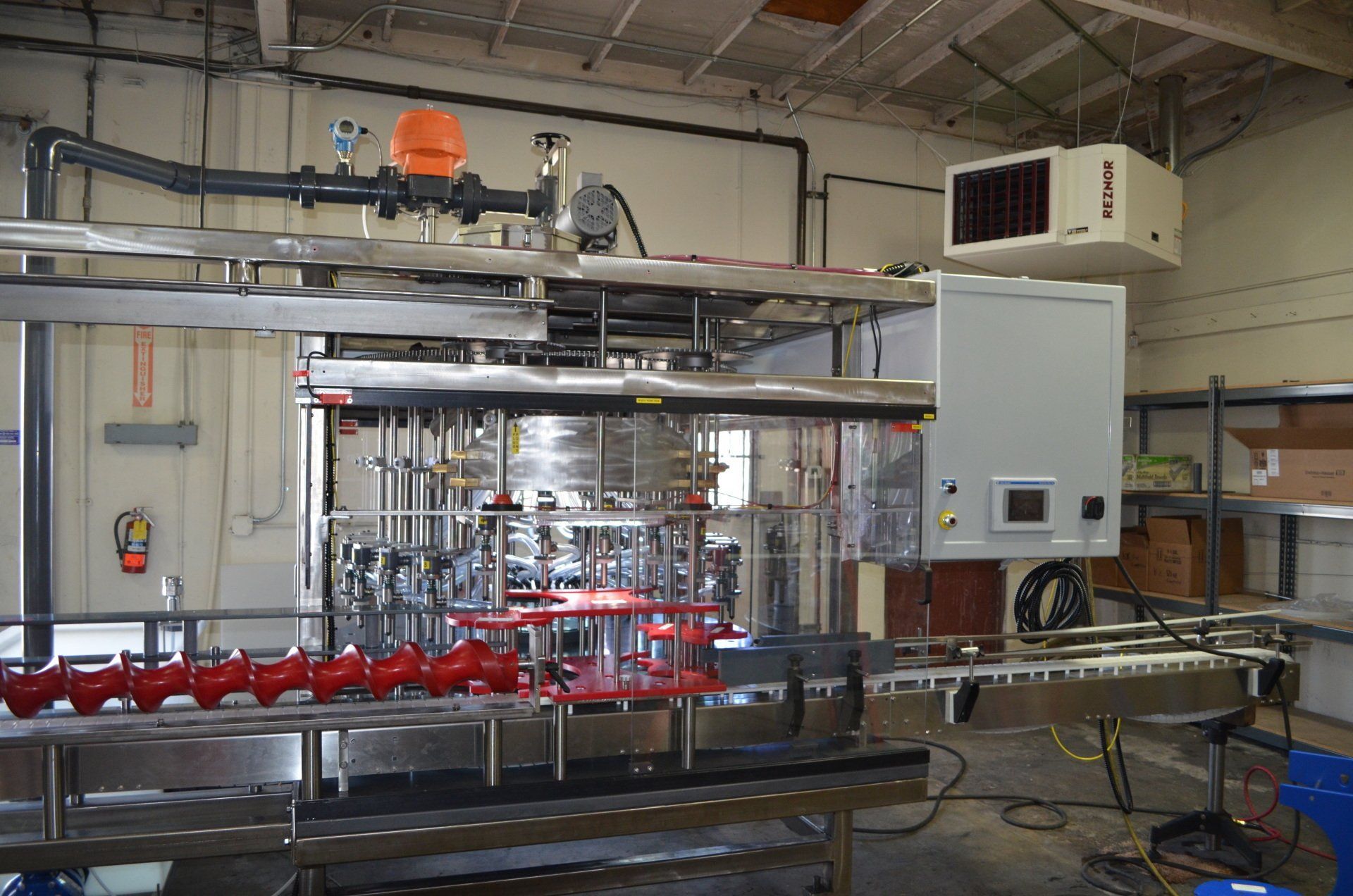
Preventative maintenance for liquid filling equipment is a structured, proactive program of inspection, cleaning, adjustment, and parts replacement that keeps machines reliable, accurate, and safe while reducing lifecycle cost. For machines built for caustic chemicals and long service life—a strong preventative maintenance program is one of the most important ways to protect uptime, product quality, and operator safety.
What is preventative maintenance?
Preventative maintenance is the scheduled, systematic care of equipment to prevent failures before they occur, instead of reacting after a breakdown. It includes regular inspection, cleaning, lubrication, calibration, adjustments, and planned replacement of wear parts based on time or usage. For liquid filling equipment, this covers the entire system: product path (tanks, valves, nozzles), mechanical drives, pneumatics, electrical and control components, and safety systems.
A preventative maintenance program typically consists of a written plan, a calendar (daily/weekly/monthly/annual tasks), and clear roles for operators, maintenance technicians, and OEM or third‑party service providers. It is informed by the manufacturer’s manual, past failure history, regulatory and audit requirements, and the specific liquid being filled—especially when handling caustic, abrasive, or viscous products. Unlike one‑off fixes, a mature program is measured and improved over time using logs, Key Performance Indicators (KPIs) such as downtime and mean time between failures, and findings from audits.
Why is preventative maintenance important?
Preventative maintenance matters because unplanned downtime is expensive and disruptive in a filling line environment. A failed seal, misaligned conveyor, or clogged nozzle can stop a line, waste product and packaging, and delay shipments to key customers. Scheduled care reduces the frequency and severity of these interruptions, allowing production to run predictably against plan.
Regular maintenance helps maintain fill accuracy, which directly affects product cost, customer satisfaction, and regulatory compliance. Poorly maintained fillers can underfill (leading to compliance and brand issues) or overfill (giving away product and compressing margins). Clean, correctly calibrated machines are essential for applications involving food, beverages, pharmaceuticals, household chemicals, and industrial products where contamination or inconsistent volume is unacceptable.
Preventative maintenance also extends equipment life and reduces long‑term repair costs. Replacing low‑cost wear parts on a schedule is far cheaper than repairing major assemblies after a catastrophic failure. For equipment designed to handle caustic chemicals—where corrosion risk is elevated—routine inspection and component renewal are especially important to preserve stainless steel surfaces, seals, valves, and safety devices.
There is a strong safety and compliance dimension as well. Maintaining guards, e‑stops, interlocks, and electrical systems reduces the risk of injuries and supports compliance with workplace regulations and customer audits. Documented cleaning and inspection procedures are often required elements in HACCP, GMP, and quality management systems.
Contact us for more information about preventative maintenance for your filling machines.