Training Your Team to Operate Bottle Filling Machines Efficiently
Efficiently operated bottle filling machines can elevate production, reduce waste, and ensure consistent quality in each fill. However, even the most advanced equipment relies on well-trained operators to reach its full potential. Investing in training your team on bottle filling machine operations can lead to smoother processes, fewer errors, and a more productive workflow. Here’s how to effectively train your team and get the most out of your bottle filling equipment.
1. Understanding the Basics of Bottle Filling Machines
To operate bottle filling machines effectively, your team first needs a solid understanding of the machine’s parts and functions. Training should begin with the essentials:
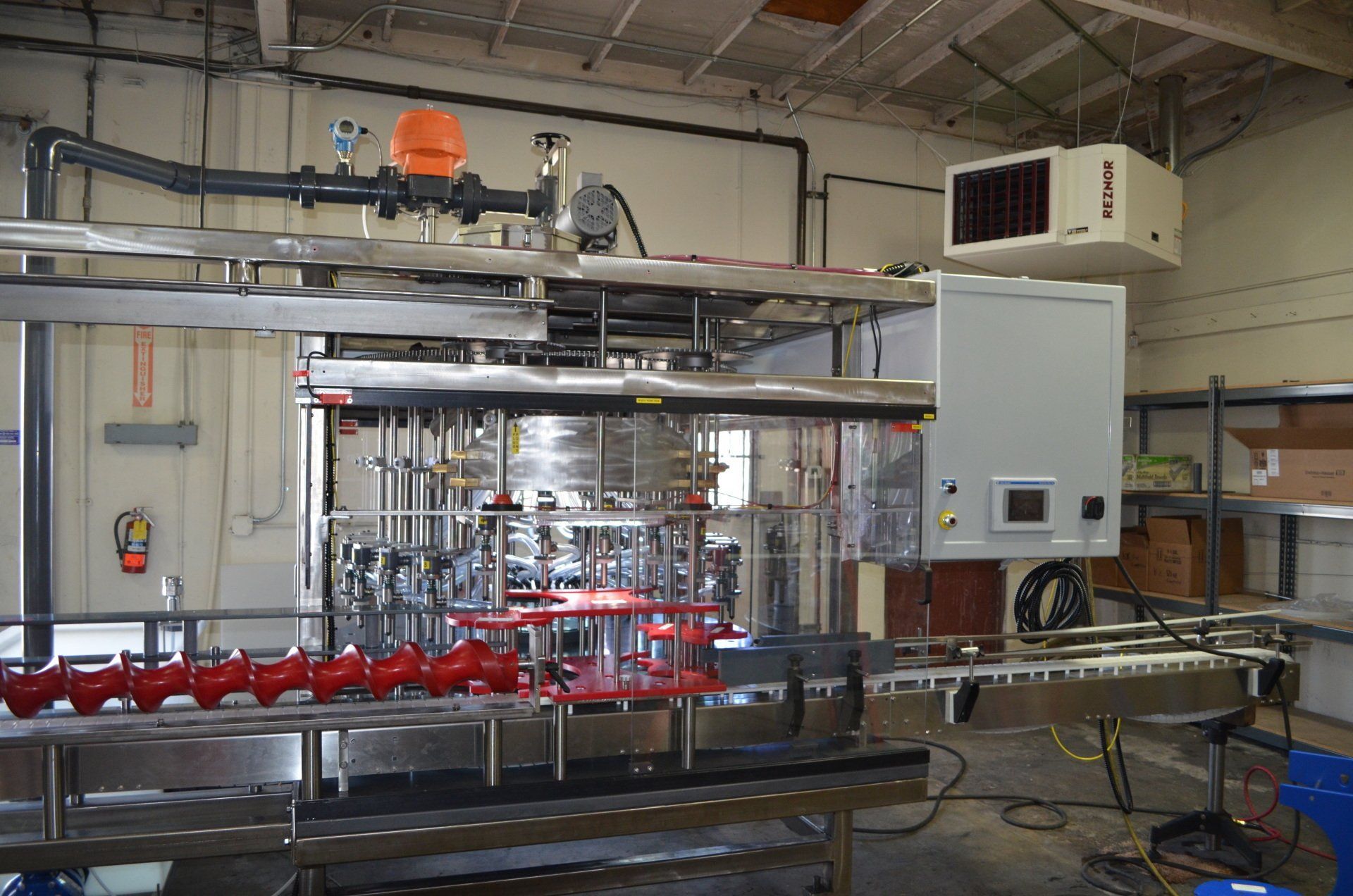
- Machine Components: Familiarize operators with all parts, including the filling heads, conveyor belts, control panels, and sensors. Understanding these parts and their roles helps troubleshoot issues and prevents unnecessary downtime.
- Product Compatibility: Different machines handle different liquids, viscosities, and container sizes. Educate your team on the product specifications, ensuring they know which settings and adjustments to make for each product type.
2. Emphasize Routine Maintenance for Smooth Operations
Routine maintenance plays a crucial role in the longevity and efficiency of bottle filling machines. Training your team on essential maintenance practices can keep machines running smoothly and prevent costly repairs.
- Cleaning Procedures: Teach operators the correct cleaning procedures to prevent product contamination and ensure food safety compliance if applicable.
- Routine Inspections: Encourage daily or weekly inspections to identify worn parts or areas that require lubrication. Small issues, when spotted early, can prevent larger, more disruptive repairs.
- Record Keeping: Establish a maintenance log for tracking completed tasks, machine performance, and any issues encountered. This log is helpful for troubleshooting and understanding machine performance over time.
3. Optimize Settings for Enhanced Efficiency
Bottle filling machines come with various adjustable settings that control speed, fill volume, and container alignment. Training operators to adjust these settings accurately ensures efficient, waste-free production.
- Calibrating Fill Levels: Teach team members how to calibrate fill levels based on container size and liquid type. Proper calibration minimizes overfills and underfills, keeping product consistency high.
- Speed Adjustments: Show operators how to adjust the machine's speed to match the desired output rate. Balancing speed and accuracy is key to maintaining both productivity and quality.
- Sensor Sensitivity: Many machines come equipped with sensors that detect fill levels or container presence. Training operators to fine-tune sensor sensitivity can help avoid missed fills and prevent spills.
4. Provide Hands-On Training and Continuous Learning
Hands-on training is essential when teaching employees to operate bottle filling machines. Simulated runs or practice fills help operators understand the machine’s functions and learn how to respond to common issues. Additionally, establishing a culture of continuous learning and improvement ensures that your team stays updated on the latest practices and techniques.
- Simulated Practice Runs: Allow your team to operate the machine in a controlled setting, testing different settings and familiarizing themselves with start-up and shutdown procedures.
- Encourage Cross-Training: Cross-training operators on different machines improves flexibility in your workforce, allowing employees to step in across various areas as needed.
- Regular Refresher Courses: Revisit training periodically to reinforce best practices and introduce any new updates. Machines may undergo upgrades, so refresher courses keep operators sharp and informed.
Ready to Train Your Team for Success?
Training your team to efficiently operate bottle filling machines can make a significant impact on productivity and quality in your production line. Laub Hunt offers a variety of resources and expertise to help you optimize your equipment’s performance. Contact us today to learn how we can support your team’s training and ensure your bottle filling machines are operating at their best!