Efficiency and Sustainability: Eco-Friendly Bottle Filling Solutions

October 12, 2024

Efficiency and Sustainability: Eco-Friendly Bottle Filling Solutions


The growing demand for environmentally responsible production methods has driven significant innovation in bottle filling solutions. Today, companies are adopting advanced eco-friendly bottle filling equipment designed to balance operational efficiency with sustainable practices. These solutions not only benefit the environment but also contribute to improved productivity, reduced costs, and enhanced brand reputation.

Key Elements of Eco-Friendly Bottle Filling Solutions

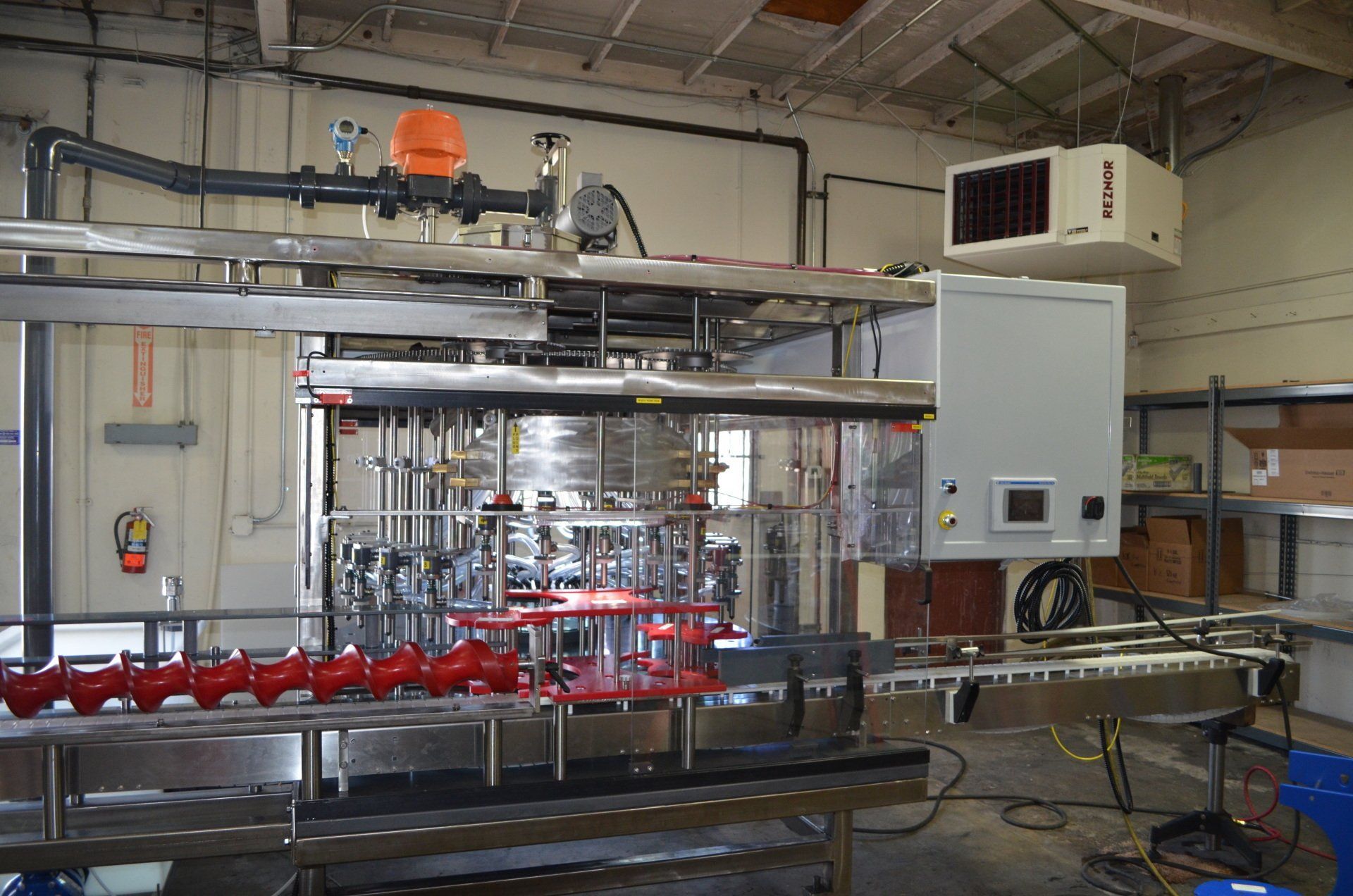
Eco-friendly bottle filling systems focus on energy-efficient technology and resource conservation. They are built to reduce waste, streamline operations, and minimize carbon emissions. Equipment optimized for sustainability uses less water, electricity, and compressed air while delivering consistent results. Automated features allow for precise filling with minimal spillage, further reducing resource consumption.

Sustainability in packaging also plays a major role. Many modern systems are designed to work with biodegradable or recyclable bottles, ensuring compatibility with green packaging initiatives. This helps companies meet consumer expectations for sustainable products and comply with industry regulations aimed at reducing plastic waste.

The Role of Automation in Eco-Friendly Production

Automation plays a critical role in sustainable bottle filling solutions. Automated equipment not only increases the speed and precision of operations but also ensures that resources are used efficiently. Advanced sensors monitor fill levels, temperature, and pressure to prevent overuse of materials, while Clean-in-Place (CIP) technology eliminates the need for manual cleaning, reducing water and chemical consumption.

Automation also reduces downtime, optimizing energy use during production cycles. With smart control panels and remote monitoring capabilities, operators can identify and resolve issues quickly, further enhancing efficiency.

Benefits of Eco-Friendly Bottle Filling Solutions

Eco-conscious filling solutions deliver multiple benefits, including lower production costs. By minimizing waste and energy consumption, companies reduce operational expenses while improving profitability. Additionally, businesses that adopt green technology appeal to environmentally aware consumers, strengthening brand loyalty and market presence.

These sustainable systems also ensure compliance with environmental regulations. Reducing emissions, waste, and water usage helps businesses avoid fines and improve their standing with regulators, contributing to a cleaner production process overall.

Embrace Sustainability and Efficiency Today

Eco-friendly bottle filling solutions make it possible to align environmental goals with operational performance. They offer a path toward sustainable growth while maintaining high levels of efficiency and product quality.

Take the next step in building a greener future for your business. Contact us today to explore our innovative range of eco-friendly bottle filling equipment, designed to help you reduce waste, conserve resources, and stay ahead in a competitive marketplace.

July 6, 2026
Selecting the Right Liquid Filling Machine- FAQs Filling method matters as much as the machine format. Volume-based, level-based, pressure-based, vacuum-based, and flow-meter-based systems each solve different product challenges, from thin foaming liquids to thick viscous products and high-value formulations that demand tighter accuracy. 10 Frequently Asked Questions What is the difference between rotary and inline filling machines? Rotary machines move containers around a circular carousel and are built for speed. Inline machines move containers in a straight line and are usually better for flexibility and simpler setup. What is a volumetric filler? A volumetric filler dispenses a preset amount of product into each container. It is useful when the goal is consistent fill quantity rather than visible fill height. What is the difference between MAGFlow and MASSFlow? MAGFlow uses electromagnetic flow measurement and is best for conductive liquids. MASSFlow uses Coriolis mass measurement and is better suited for high-accuracy filling and non-conductive or high-value products. When should a piston filler be used? Piston fillers are best for thick or viscous products such as lotions, creams, pastes, and similar materials. They are especially useful when gravity or simple flow-based systems are not enough. What is an overflow filler? An overflow filler fills containers to a consistent visible level. It is commonly used for clear bottles and products where shelf appearance is important. When is a gravity filler the right choice? Gravity fillers work well for thin, free-flowing liquids. They are simple, economical, and commonly used for low-viscosity products. What does pressure gravity filling mean? Pressure gravity filling means the machine can use pressure or gravity depending on the product and application. It provides flexibility for lines that handle more than one liquid type. What is a pressure filler used for? Pressure fillers are used when product needs positive force to move into the container. They are often chosen for foamy, carbonated, or faster-moving applications. What is a vacuum filler? A vacuum filler uses suction to fill containers. It is a more specialized solution and is used in applications where gentle or controlled filling is helpful. What is a monobloc filler-capper? A monobloc filler-capper combines filling and capping in one integrated machine. It saves space and can improve line efficiency by reducing transfer between separate machines. Contact us for more information. Look at Parts 1 and 2 from this series.
June 29, 2026
Industry Alignment For bleach, household cleaners, industrial chemicals, and some personal care products, the main concerns are chemical compatibility, corrosion resistance, and reliable handling of thin to moderately viscous liquids. For these products, rotary or inline systems with volumetric, flow-meter, pressure, or overflow options are often the most relevant starting points. For food and beverage, pressure, overflow, gravity, volumetric, and flow-meter systems are especially important because these products may be foamy, conductive, carbonated, or shelf-presented in clear containers. Rotary monobloc systems are also common when speed and capping integration matter. For automotive and many industrial chemical applications, MASSflow, pressure metering, piston, and rotary monobloc configurations are often attractive because they support higher precision, more demanding product behavior, and stronger line control. Selection Criteria The first selection question should be product behavior: is the liquid thin, thick, foamy, conductive, non-conductive, hazardous, or sensitive to aeration? That answer usually narrows the field faster than container size or speed alone. The second question is production architecture: does the customer need maximum throughput, or do they need flexibility, lower cost, and easier expansion? Rotary and monobloc systems usually favor throughput, while inline systems often favor adaptability. The third question is packaging presentation: does the customer care about exact volume, exact level, or simply reliable closure after fill? Overflow and level-based systems serve appearance-driven applications, while volumetric, MASSflow, and piston systems serve precision-driven applications. Positioning Language Laub\Hunt can position these machines as a portfolio rather than isolated products. That allows the sales message to start with the customer’s liquid and container requirements, then move to the best mechanical platform, rather than forcing customers into a one-size-fits-all category. A useful framing is: rotary for speed, inline for flexibility, piston for thickness, overflow for appearance, MAGflow for conductive liquids, MASSflow for highest accuracy, and monobloc for integrated efficiency. 5 Key Takeaways The best filling machine depends first on the product, not the machine name. Liquid behavior such as viscosity, foaming, conductivity, and sensitivity to aeration determines the right technology. Rotary systems are best when speed and compact footprint matter most. They are a strong fit for high-output lines and can integrate well with capping. Inline systems are best when flexibility and easier changeovers matter. They are often the better choice for lower-to-moderate production volumes or multiple product formats. Filling method matters as much as machine layout. Volumetric, MASSflow, piston, overflow, gravity, pressure, and vacuum systems each solve different packaging challenges. Monobloc filler-cappers improve efficiency by combining fill and cap operations. They are especially useful when floor space, line synchronization, and throughput are important. See parts 1 and 3 for more information. Contact us for a quote.
Selecting the Right Liquid Filling Machine – Part 1
June 23, 2026
Laub\Hunt Packaging System’s filling platforms span a broad range of liquid behaviors, container types, and production goals. The right machine depends less on the label of the technology