Empowering Your Team: Training for Efficient Bottle Filling Machine Operation
The efficiency and accuracy of bottle filling play a critical role in ensuring product quality and minimizing waste. Yet, even the best machines rely on skilled operators who know how to get the most out of each system. Proper training in bottle filling machine operation doesn’t just improve day-to-day productivity; it also boosts safety, reduces downtime, and helps your team troubleshoot issues before they escalate.
Why Training Matters for Bottle Filling Efficiency
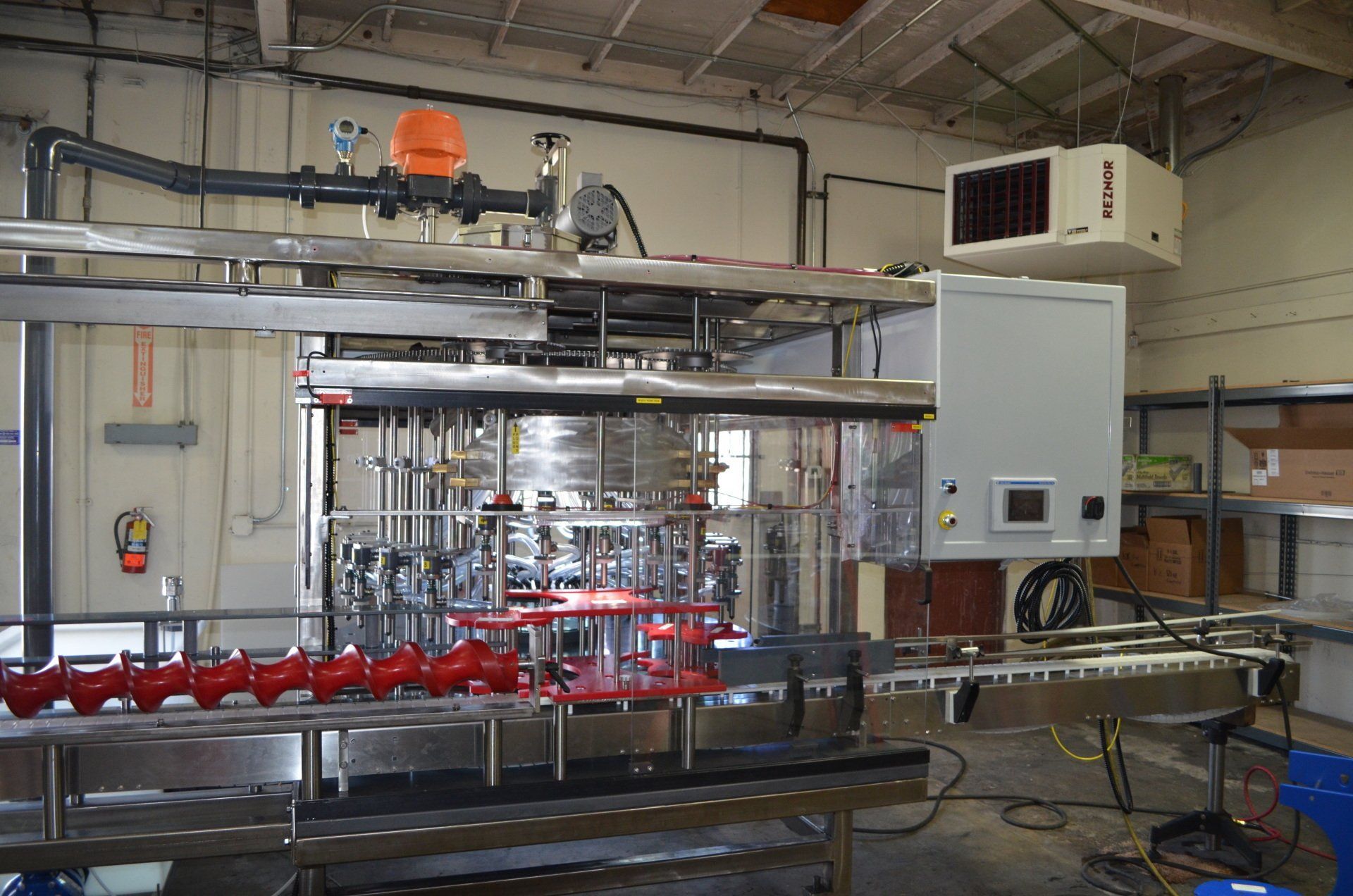
Training is more than just teaching the basics. It’s about empowering operators to understand the unique intricacies of each bottle filling system, from the settings that control fill levels to the ways in which specific materials interact with the machinery. An untrained or under-trained team member might face frequent errors, leading to inconsistent fills, higher waste, or even equipment malfunctions. By providing comprehensive training, you not only increase the quality of output but also reduce costly mistakes, making the entire operation smoother and more reliable.
Key Elements of Effective Bottle Filling Training
When designing a training program for bottle filling machine operators, it’s essential to focus on a few core areas:
Machine Setup and Calibration
Operators should be well-versed in setting up the machine for different product types and bottle sizes. Understanding calibration, adjusting nozzle positions, and ensuring the right fill level are foundational to smooth operation.
Safety Protocols
Bottling facilities can pose specific risks if machines are not operated correctly. Training should cover safety guidelines that protect team members and ensure compliance with industry standards. Knowing when to pause the machine, clean components, and check for wear can prevent accidents and prolong machine life.
Maintenance and Troubleshooting
Basic troubleshooting skills empower operators to address minor issues on the spot, avoiding production delays. Regular maintenance checks, knowledge of component lifespans, and familiarity with error codes allow operators to prevent common problems and respond quickly when they arise.
Quality Control
Training should emphasize the importance of quality checks throughout the process. Whether filling beverages, pharmaceuticals, or cosmetics, consistent fills are essential. Operators who understand the signs of filling irregularities can take immediate action to maintain product quality.
Enhancing Productivity Through Skill-Building
Incorporating ongoing training sessions keeps your team updated on the latest techniques and industry best practices. As bottling technology evolves, continuous learning helps operators keep up with advancements, maximizing machine efficiency. Regular refreshers, workshops, or even certifications in advanced bottling techniques ensure that your team stays skilled, motivated, and confident in their work.
Choosing the Right Partner for Training and Support
Effective training requires collaboration with an experienced bottle filling solutions provider. At Laub Hunt, we offer tailored training programs that equip your team with the skills to operate and maintain bottle filling machines with confidence. From installation to ongoing support, our experts are committed to helping you maximize efficiency and streamline production.
Ready to take your bottle filling operation to the next level?