Reducing Waste with Precision Bottle Filling Systems
In the world of food, beverage, pharmaceutical, and industrial production, waste management is a critical concern. From cost inefficiencies to environmental impacts, excessive waste can hinder operational success and sustainability efforts. Precision bottle filling systems are revolutionizing how industries approach waste reduction while improving efficiency, accuracy, and profitability.
This blog explores the role of precision bottle filling systems in reducing waste, their key benefits, and how they can transform your production processes.
The Problem of Waste in Bottle Filling
Traditional bottle filling methods often result in:
Overfilling: Leads to wasted product, higher costs, and reduced profitability.
Underfilling: Causes customer dissatisfaction, potential regulatory issues, and loss of trust.
Spillage: Inefficient handling and inaccurate dispensing can lead to spills, waste, and messes.
Downtime: Frequent manual adjustments or system failures can waste valuable production time.
These inefficiencies contribute to higher operational costs and environmental harm, making the need for precision solutions more urgent.
How Precision Bottle Filling Systems Reduce Waste
Accurate Dispensing
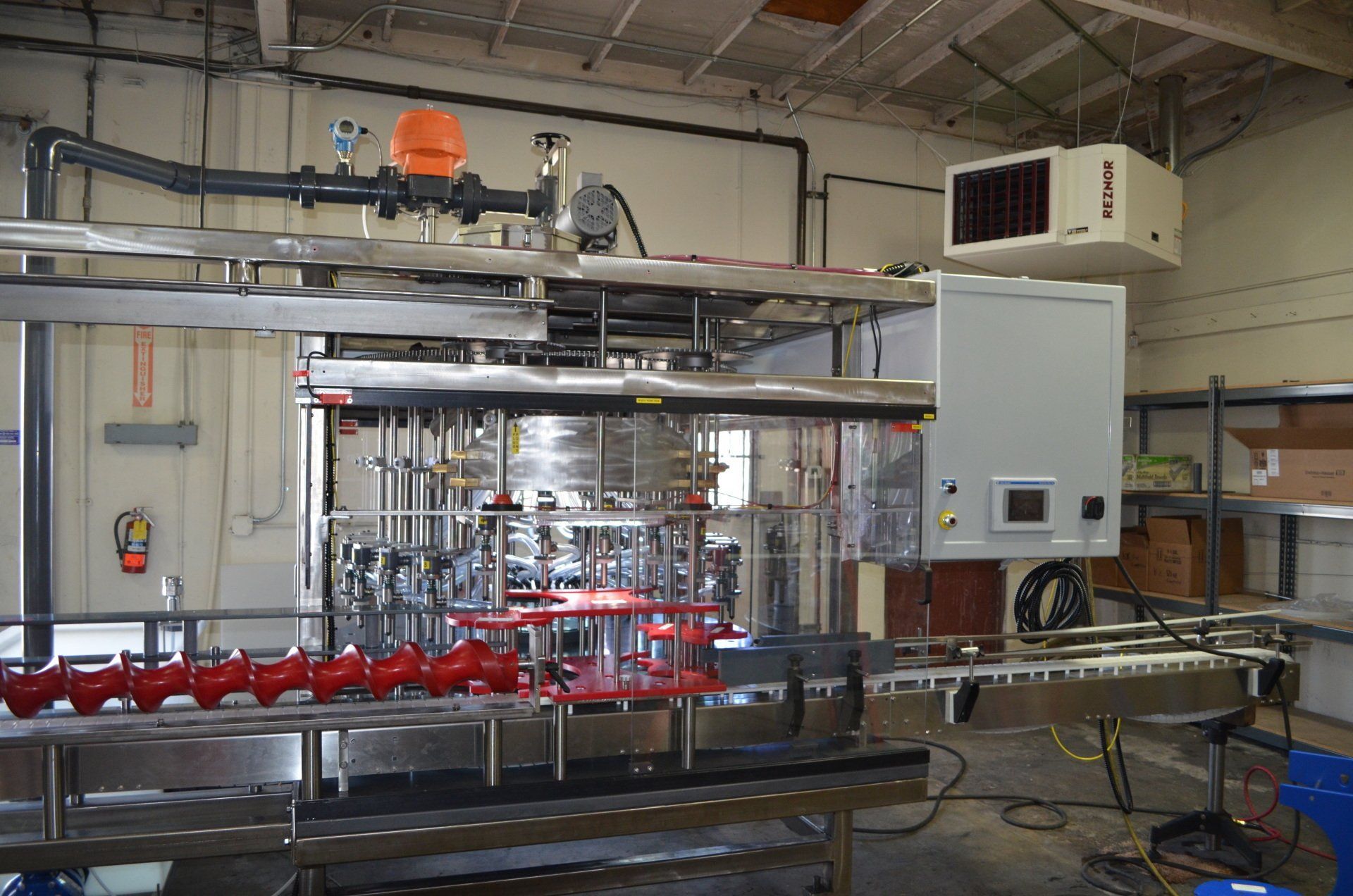
Precision filling systems are engineered to deliver exact quantities of liquid into each bottle, minimizing overfilling or underfilling. Advanced technologies like flow meters, sensors, and programmable controls ensure consistent results.
Minimized Spillage
By optimizing the filling process, these systems reduce spillage, keeping production lines cleaner and more efficient. Less product loss directly translates to increased profitability.
Improved Material Utilization
Whether you’re working with high-value pharmaceuticals or viscous sauces, precision filling ensures you use every drop efficiently, maximizing the return on raw materials.
Customization for Every Bottle
Precision systems are adaptable to various bottle sizes and shapes, reducing setup errors and ensuring accurate fills regardless of container type.
Automation for Consistency
Automated precision filling systems eliminate human error, delivering consistent results with minimal supervision. This not only reduces waste but also saves labor costs and time.
Key Benefits of Precision Bottle Filling Systems
Cost Savings: Reduced waste means lower raw material expenses and less need for costly product rework.
Enhanced Productivity: Accurate, automated systems minimize downtime and streamline production workflows.
Sustainability: Efficient use of materials reduces environmental impact, aligning with eco-conscious goals.
Regulatory Compliance: Precision ensures accurate labeling and filling, helping meet industry standards and regulations.
Customer Satisfaction: Consistent, high-quality products build trust and loyalty among consumers.
Applications of Precision Bottle Filling Systems
Precision bottle filling systems are ideal for a wide range of industries, including:
Food and Beverage: Ensuring exact portions of juices, sauces, or oils for consumer satisfaction and reduced waste.
Pharmaceuticals: Accurate dosing of medications to meet stringent regulatory requirements.
Cosmetics: Delivering precise quantities of creams, lotions, and serums into various container sizes.
Industrial Liquids: Efficiently filling lubricants, cleaning solutions, and chemicals for commercial use.
Choose Laubhunt for Your Precision Bottle Filling Needs
At Laubhunt, we understand the importance of precision and sustainability in modern manufacturing. Our advanced bottle filling systems are designed to reduce waste, optimize efficiency, and improve your bottom line. Whether you need a solution for high-volume production or specialty applications, we have the expertise and equipment to meet your needs.
Contact us today to learn more about how our precision bottle filling systems can transform your operations and support your sustainability goals. Together, we can reduce waste and create a more efficient, profitable future.