September 17, 2026
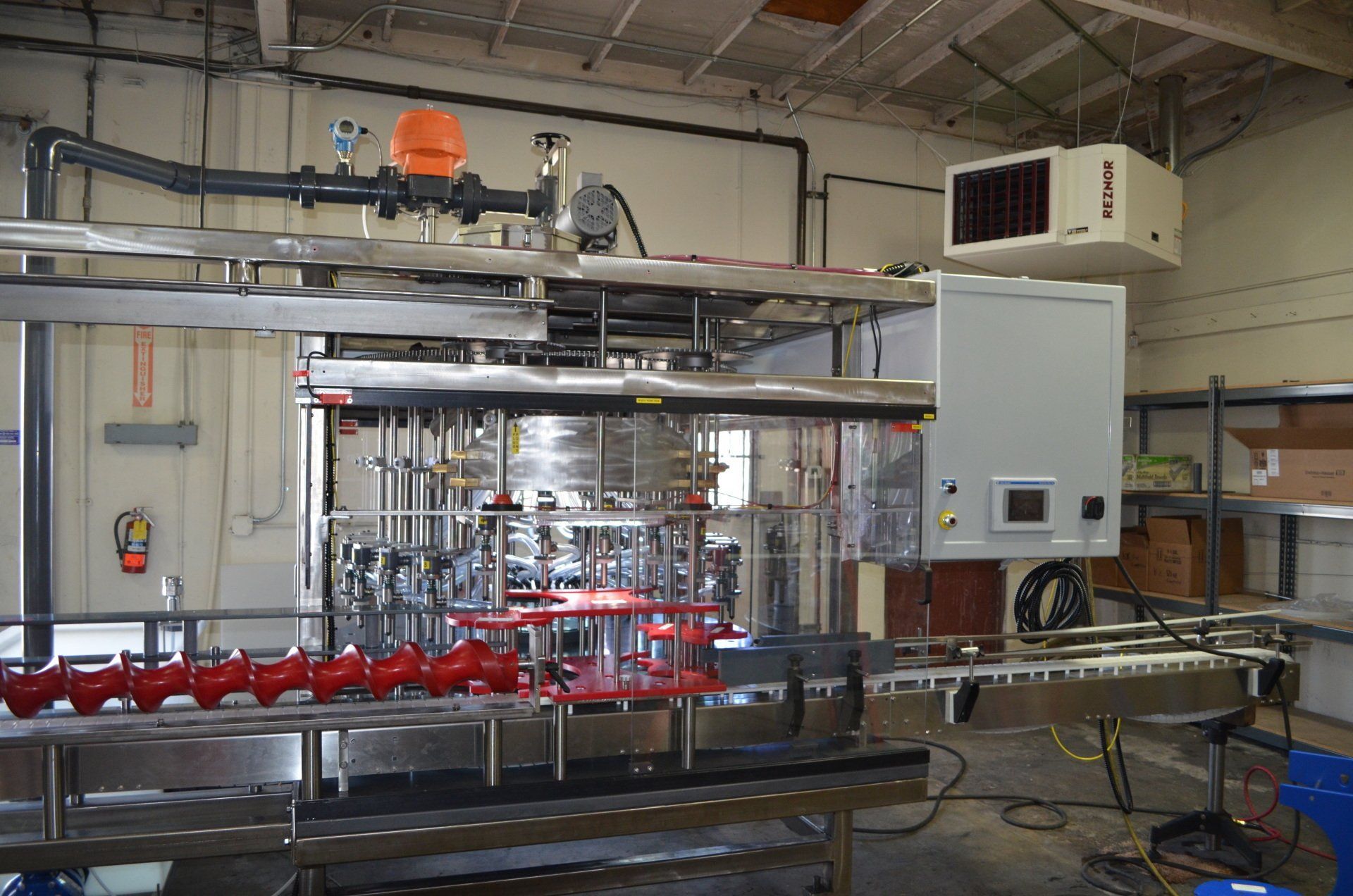
NeverDown - Preventative Maintenance Press Release For Immediate Release Contact: Jeff Hunt Phone: (888) 671-9338 Email: jhunt@laubhunt.com https://www.laubhunt.com/ Laub\Hunt Launches NeverDown—A Preventive Maintenance Service Built for Equipment Reliability and Uptime New Service Offering Combines Proactive Maintenance, Remote Support, and Customized Plans to Reduce Downtime and Maximize ROI Norwalk, CA – June 23, 2026 – Laub\Hunt Packaging Systems , a leading manufacturer of precision liquid filling equipment serving the Bleach, Pool / Spa, Food & Beverage, Industrial Chemicals, Household Products, Personal Care, and Automotive industries today announced the launch of NeverDown , a comprehensive service solution designed to help manufacturers reduce downtime, improve equipment performance, and maximize return on investment. For over 75 years, Laub\Hunt has built filling systems known for their accuracy, durability, and reliability. NeverDown extends that commitment beyond installation, providing customers a proactive approach to maintaining peak performance throughout their equipment's lifecycle. "Production interruptions are costly," said Jeff Hunt, President and CEO. " NeverDown helps customers identify and address issues before they become problems, giving them greater visibility and confidence in their operations." A Proactive Approach to Equipment Reliability Unlike traditional reactive service models, NeverDown focuses on preventive maintenance and early intervention through: Routine mechanical and system inspections Calibration of filling accuracy and consistency Verification of seals, valves, and critical operating components Cleaning and conditioning of components exposed to corrosive products Performance testing under actual operating conditions Each service visit follows a detailed inspection checklist customized to the specific equipment configuration, ensuring comprehensive and consistent evaluations over time. Customized Maintenance Programs Laub\Hunt tailors each program to customer requirements—from monthly inspections to annual comprehensive evaluations—coordinating maintenance with production schedules to minimize disruption. Programs account for production volume, operating conditions, product corrosiveness, and uptime objectives. Replace Before Failure Rather than waiting for unexpected failures, NeverDown manages wear items through planned replacement cycles, reducing unplanned downtime, preventing secondary equipment damage, maintaining filling accuracy, and lowering lifecycle costs. Responsive Support FillSure combines on-site field service with remote diagnostics, enabling rapid issue resolution while deploying technicians only when hands-on intervention is necessary. "As manufacturers focus on productivity and cost control, reliable equipment becomes critical," Hunt added. "NeverDown provides the structure and expertise customers need to keep operations running at peak performance." Through structured maintenance planning, detailed inspections, proactive parts management, and responsive support, Laub\Hunt helps manufacturers gain greater control over equipment performance while reducing operational uncertainty. About Laub\Hunt Laub\Hunt Packaging Systems designs and manufactures precision liquid filling equipment for the bleach, pool and spa, food and beverage, industrial chemical, household products, personal care, and automotive industries.| With more than 75 years of manufacturing heritage, the company is recognized for building high-quality, simple-to-operate filling systems that deliver exceptional accuracy, reliability, and long-term value. Laub\Hunt's equipment is installed throughout North America and around the world, helping manufacturers improve productivity and maintain consistent product quality. For more information about NeverDown and Laub\Hunt’s complete line of packaging solutions, contact Jeff Hunt at (888) 671-9338, or via email at jhunt@laubhunt.com . https://www.laubhunt.com/contact https://www.laubhunt.com/