MASSFlow and MAGFlow Filling Technologies
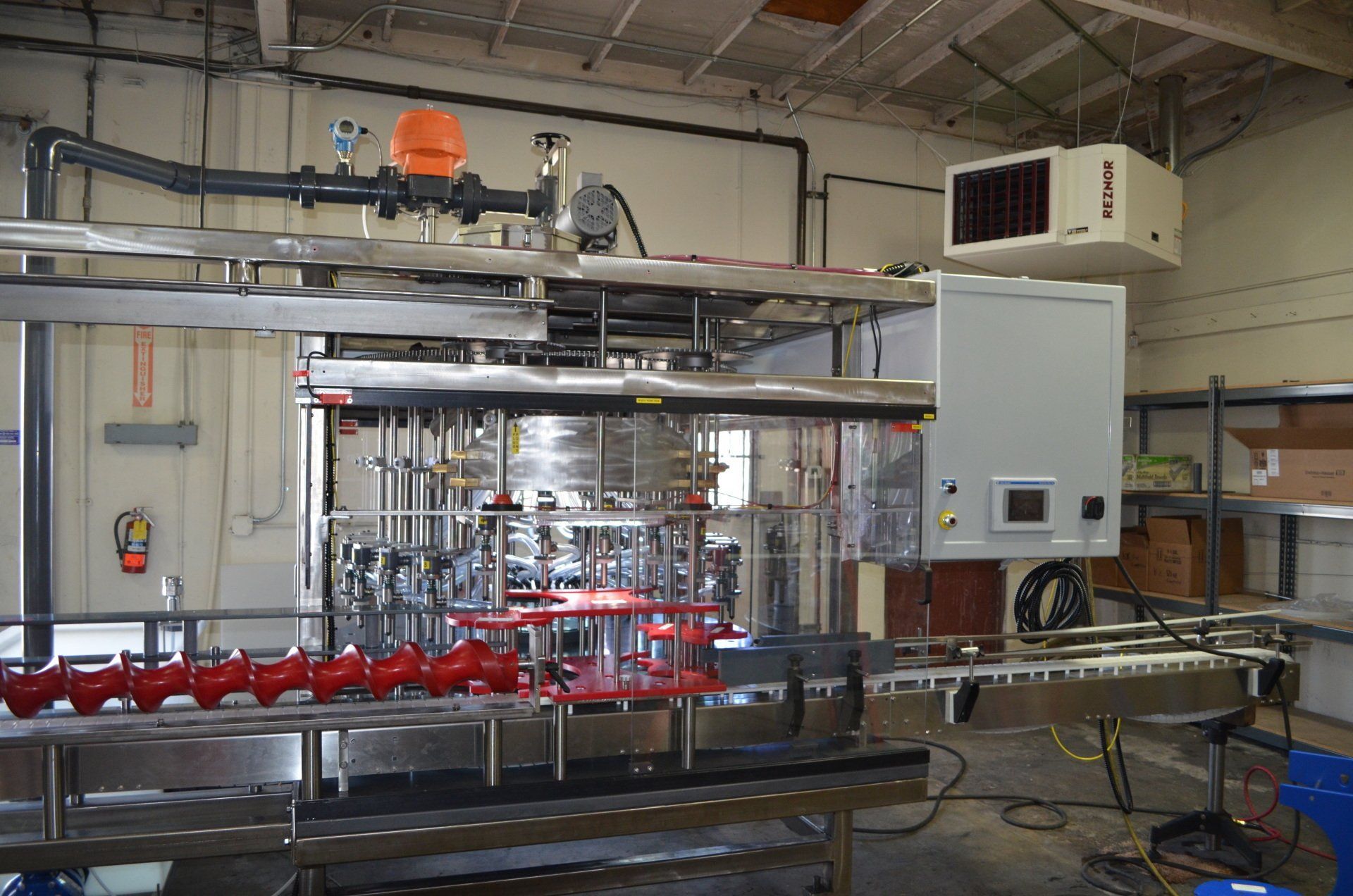
The primary differences between MASSFlow and MAGFlow filling technologies lie in the type of meter used, their accuracy, and the specific products they are engineered to handle.
1. Meter Technology and Accuracy
● MASSFlow: This technology utilizes Coriolis flowmeters (typically Endress+Hauser DosiMass or Promass F models). It is highly accurate, consistently delivering a fill accuracy of +/- 0.25% (+/- 1/4 of 1%).
●
MAGFlow: This technology uses
magnetic flowmeters (specifically Endress+Hauser DosiMag models). While some applications for specific chemicals list an accuracy of +/- 0.25%, the general specification for MAGFlow systems is often cited at
+/- 0.5% (+/- 1/2 of 1%) throughout the fill range.
2. Product Suitability
● MASSFlow Applications: These systems are extremely versatile and can handle a vast range of viscosities. They are used for motor oils, shampoos, conditioners, solvent-based stains, polyurethanes, and food products like canola or soybean oil. They are even capable of filling heavy materials like asphalt at temperatures up to 350°F.
●
MAGFlow Applications: MAGFlow is specifically designed for
conductive liquids. It is the preferred technology for
aqueous, foamy, and bleach-based household cleaners or car wash products.
3. Operational Requirements and Versatility
● MAGFlow Constraints: For maximum accuracy, MAGFlow requires liquids to be supplied at a constant density, pressure, and temperature. The product must also be free of entrained air or emulsified gases, which can vary the apparent density and affect the meter reading.
● MASSFlow Versatility: MASSFlow systems allow for individual head calibration via the HMI (Human Machine Interface) and can store pre-programmed "recipes" for over 100 different product/bottle combinations. They are best suited for filling volumes ranging from 0.5 to 128 oz.
Both systems are often housed on similar frames (T304 or T316 Stainless Steel) and feature "No Bottle, No Fill" nozzle technology to prevent waste.