The importance of Sanitation when Using Pressure Metering Fillers
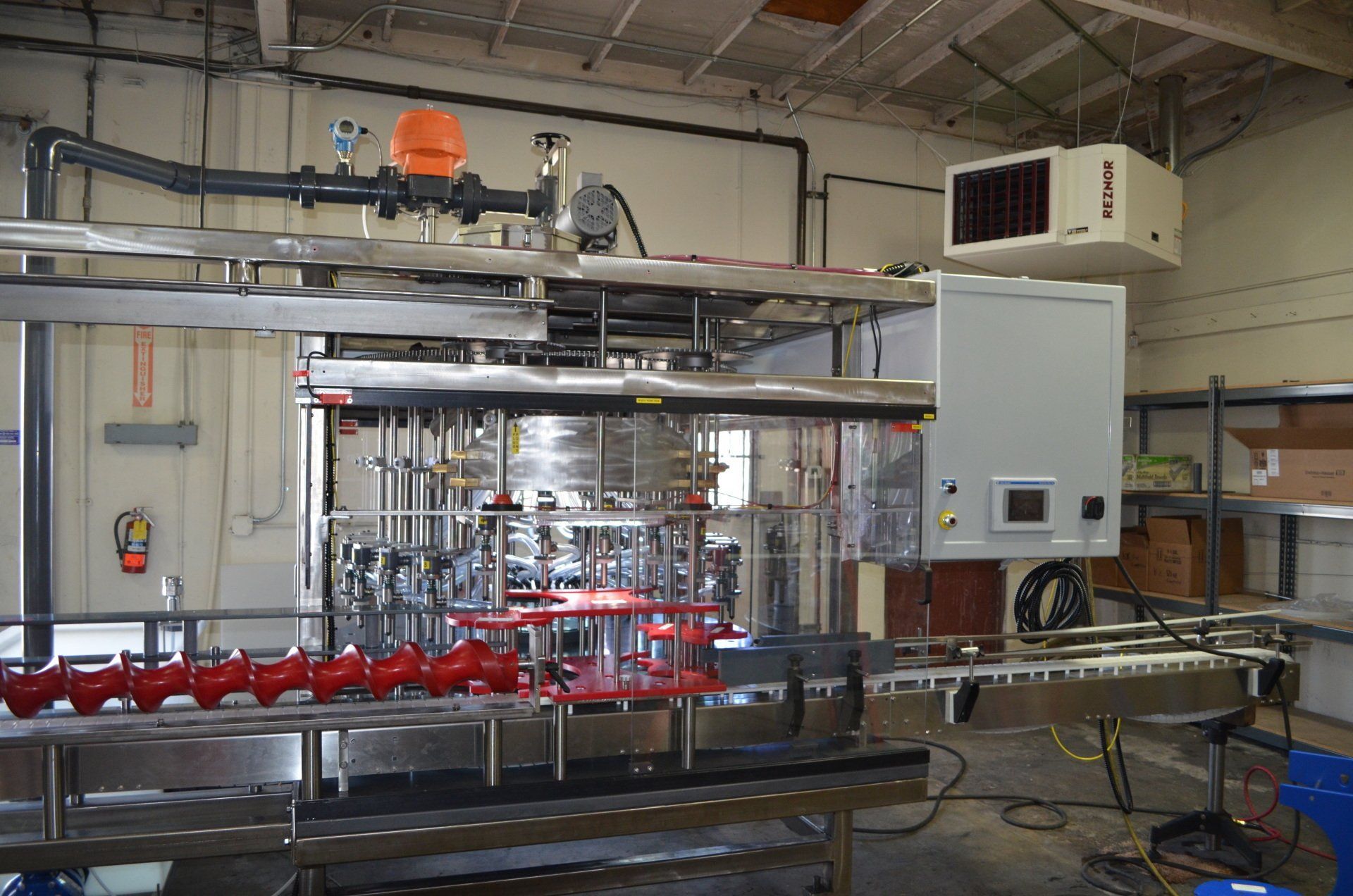
Sanitation is crucial when using pressure metering fillers, especially in industries like pharmaceuticals, food and beverage, and cosmetics, where products must meet stringent quality and safety standards. Here is why sanitation is important to Laub\Hunt to maintain the highest standards:
1. Product Integrity: Sanitation helps maintain the integrity of the product by preventing contamination. Even small amounts of foreign substances or microbes can compromise the quality and safety of the final product.
2. Consumer Safety: Ensuring sanitation prevents the transmission of harmful pathogens, allergens, or other contaminants that could pose health risks to consumers. This is particularly critical in industries where products are ingested, applied to the skin, or otherwise come into direct contact with consumers.
3. Regulatory Compliance: Many industries are subject to strict regulations regarding sanitation and hygiene standards. Compliance with these regulations is necessary to avoid fines, penalties, or even shutdowns of production facilities.
4. Reputation and Brand Image: Maintaining high standards of sanitation reflects positively on a company's reputation and brand image. Consumers trust companies that prioritize cleanliness and product safety, which can lead to increased brand loyalty and market share.
5. Equipment Performance: Proper sanitation also extends the life and performance of the pressure metering filler equipment. Residue buildup or corrosion caused by inadequate sanitation can lead to equipment malfunction, downtime, and increased maintenance costs.
6. Product Consistency: Sanitation helps ensure consistency in product quality and fill accuracy. Contaminants or residue left behind from previous runs can affect the volume or composition of the product, leading to variations in the final product and potentially affecting consumer satisfaction.
7. Traceability and Recall Management: In the event of a product recall or quality issue, thorough sanitation practices facilitate traceability and identification of potential sources of contamination. This allows companies to quickly isolate affected batches and mitigate the impact on consumers and their brand reputation.
To ensure effective sanitation when using pressure metering fillers, companies typically implement rigorous cleaning protocols, including regular cleaning and disinfection of equipment, surfaces, and production environments. Additionally, staff training, proper handling of raw materials, and monitoring of sanitation procedures are essential components of maintaining hygiene standards and product integrity. Contact us for more information about our sanitation procedures. Contact us for more information.