Exploring the Different Types of Bottle Filling Technologies
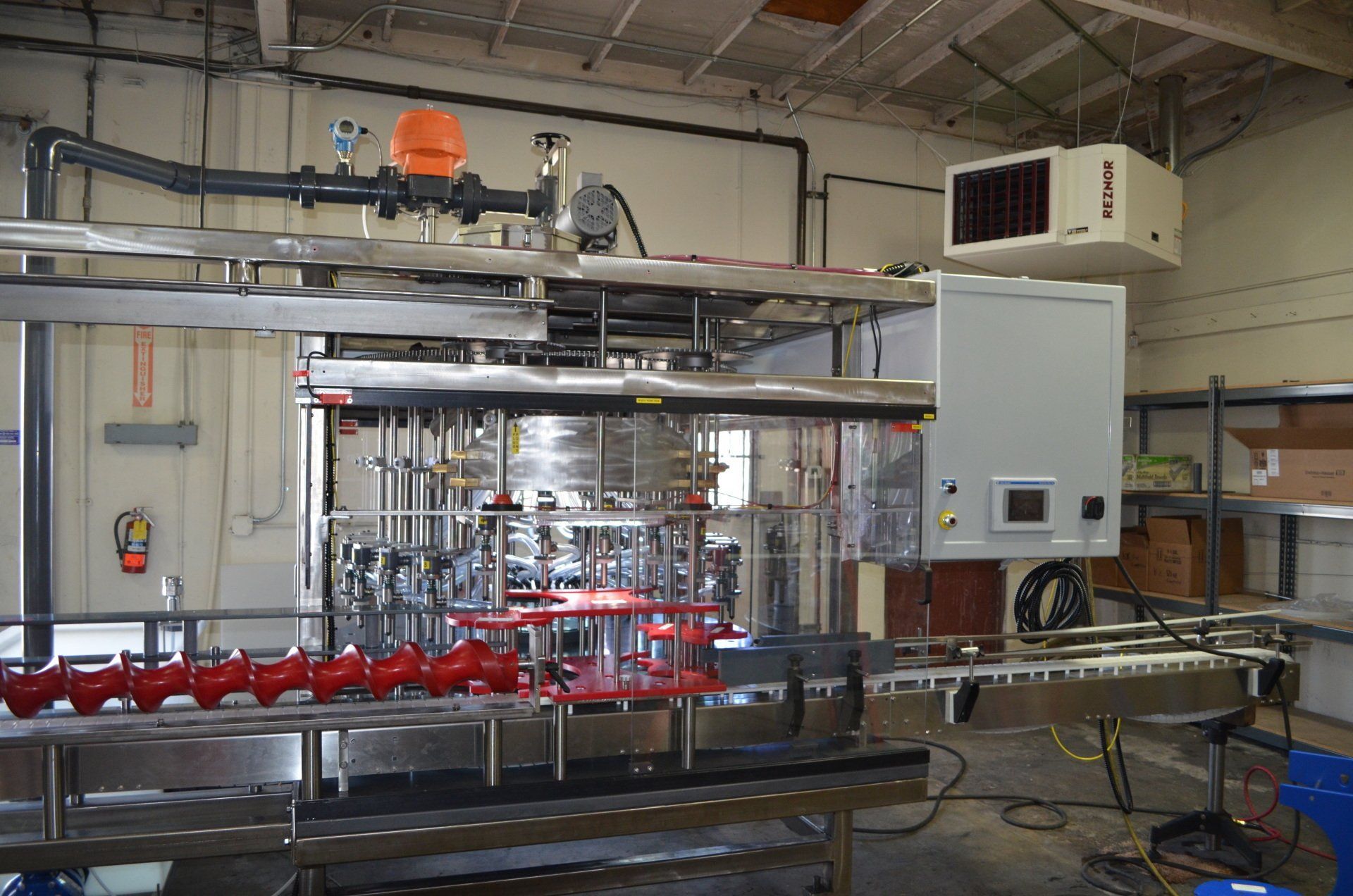
Bottle filling technology plays a crucial role in the beverage, pharmaceutical, cosmetic, and food industries. Selecting the right bottle filling machine is essential for maximizing efficiency, maintaining product integrity, and meeting industry regulations. Understanding the different types of bottle filling technologies can help manufacturers choose the best solution for their production needs.
Overflow Fillers
Overflow fillers are commonly used for
filling bottles with liquid products such as juices, sauces, and cosmetics. These machines ensure a consistent fill level, making them ideal for transparent bottles where visual appeal is important. The overflow filling process allows excess liquid to be recirculated, reducing product waste.
Gravity Fillers
Gravity filling machines are best suited for thin, free-flowing liquids like water, vinegar, and alcoholic beverages. These machines rely on gravity to dispense the liquid into the bottle. Their simple design makes them cost-effective and easy to maintain, making them a preferred choice for small to medium-scale production.
Piston Fillers
Piston fillers are ideal for thicker liquids such as honey, syrups, lotions, and pastes. They use a piston mechanism to dispense a precise volume of product into each bottle, ensuring accuracy and reducing product loss. These machines are available in both semi-automatic and fully automatic configurations to accommodate different production scales.
Pump Fillers
Pump filling machines are designed for products with varying viscosities, from thin to thick liquids. These machines use positive displacement pumps to control the amount of liquid dispensed. They are particularly effective for handling foamy or thick products such as detergents, creams, and oils.
Net Weight Fillers
For industries that require precise weight-based filling, net weight fillers are the best choice. These machines ensure each bottle contains an exact amount of liquid by measuring its weight during the filling process. They are commonly used in the chemical and pharmaceutical industries where accuracy is paramount.
Vacuum Fillers
Vacuum filling machines work by removing air from the bottle before dispensing liquid. This technology is often used for filling glass bottles with perfumes, essential oils, and specialty beverages. Vacuum fillers help prevent oxidation and maintain the product's quality over time.
Choosing the Right Bottle Filling Machine
Selecting the right bottle filling machine depends on various factors, including the type of liquid, production speed, bottle size, and industry requirements. Automated bottle fillers enhance efficiency, reduce labor costs, and ensure consistency, making them a valuable investment for manufacturers.
At Laub/Hunt, we offer a wide range of bottle filling solutions designed to meet the diverse needs of different industries. Whether you need an overflow filler, gravity filler, piston filler, pump filler, net weight filler, or vacuum filler, our experts can help you find the perfect solution for your production line.
Get Started with the Best Bottle Filling Technology
Enhance your production efficiency with high-quality bottle filling machines from Laub/Hunt. Explore our advanced bottle filling solutions and find the perfect fit for your needs. Contact us today to discuss your requirements and optimize your bottling process!